FAU Lab Schools Teacher Research
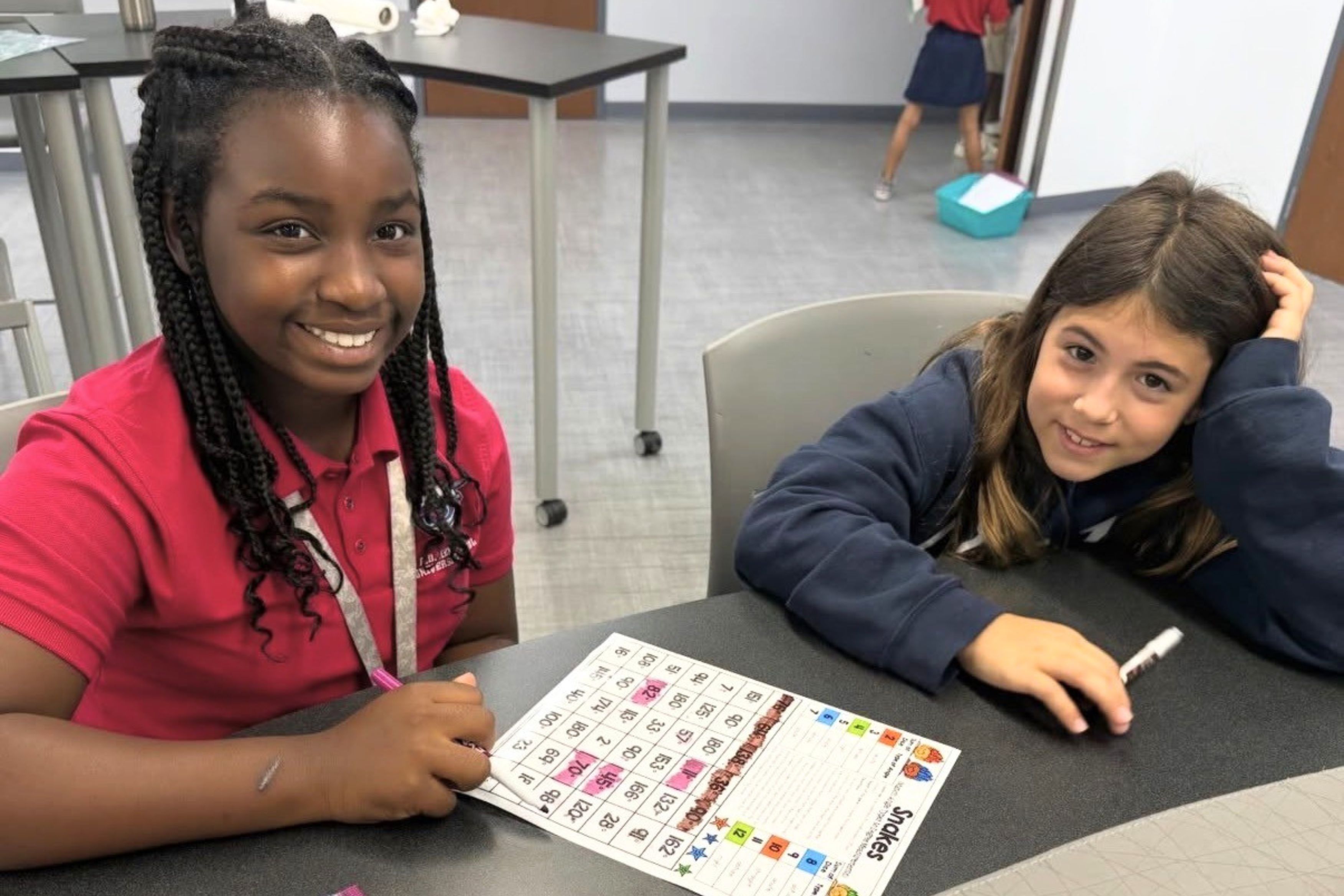
Small group instruction has become an integral part of education and is widely used to help target certain skills based on a student’s learning needs.
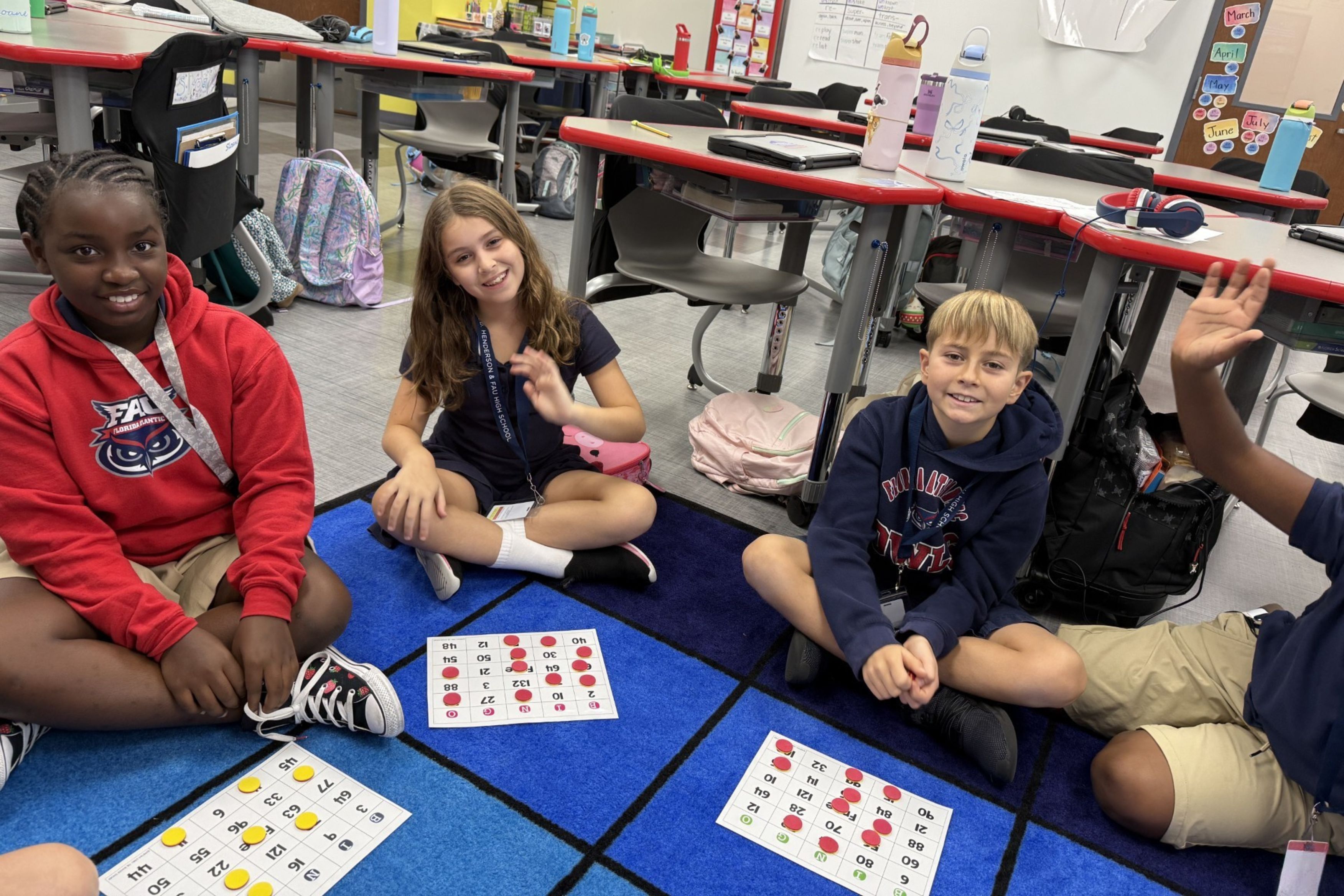
By investigating the impact of optional, real-world, math activities, this study sought to uncover strategies that promote problem-solving, critical thinking, and meaningful connections to students’ lives.
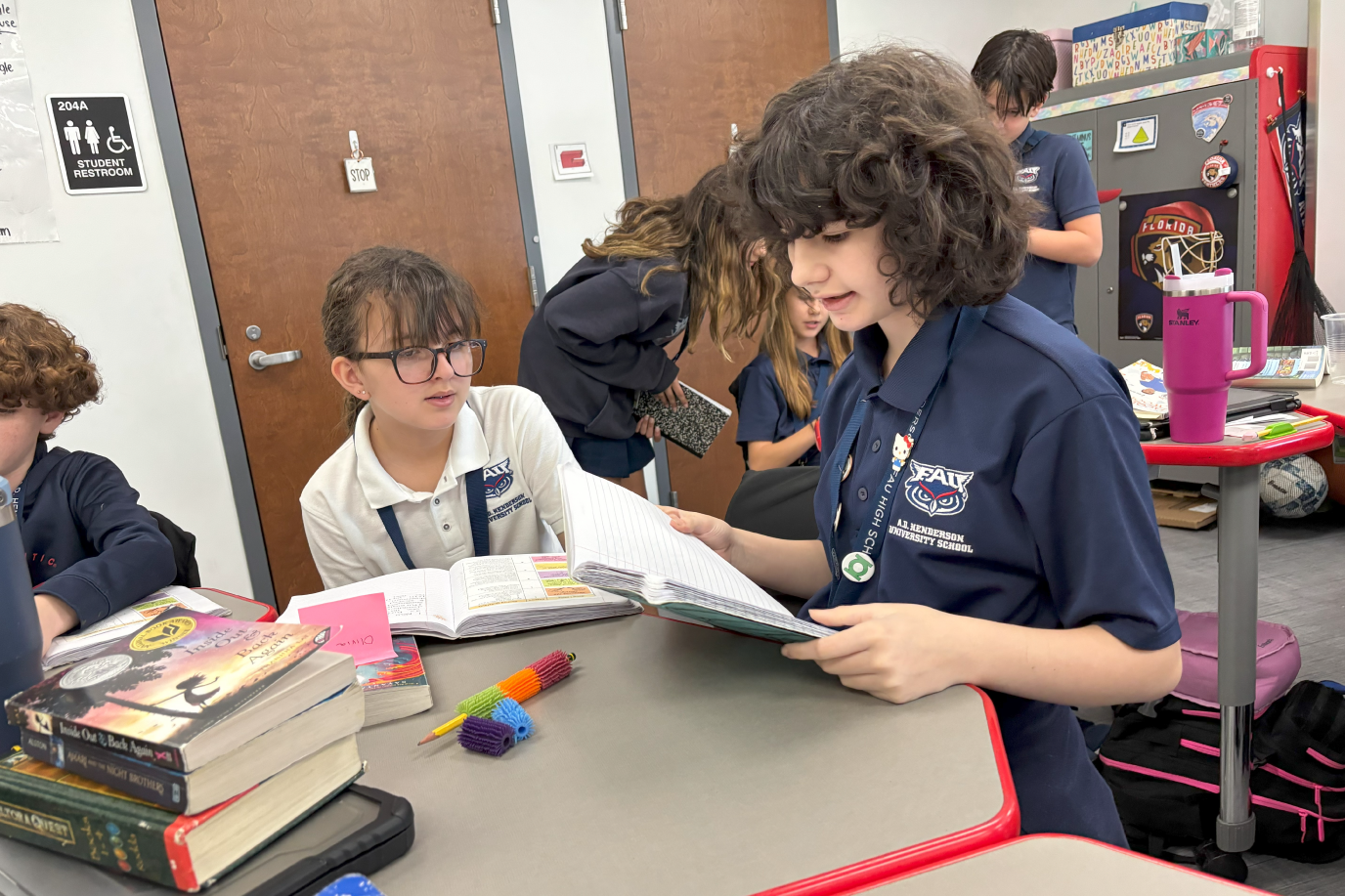
Peer-supported learning is a powerful tool in literacy development, particularly in elementary grades where students are building foundational reading skills. Reading partnerships provide opportunities for students to engage collaboratively, allow for peer modeling, and shared problem-solving.

Adolescents are faced with a wide range of stressors including academics, social pressures, extracurricular, and employment. These stressors are dealt with at home, at school, with friends, and online.
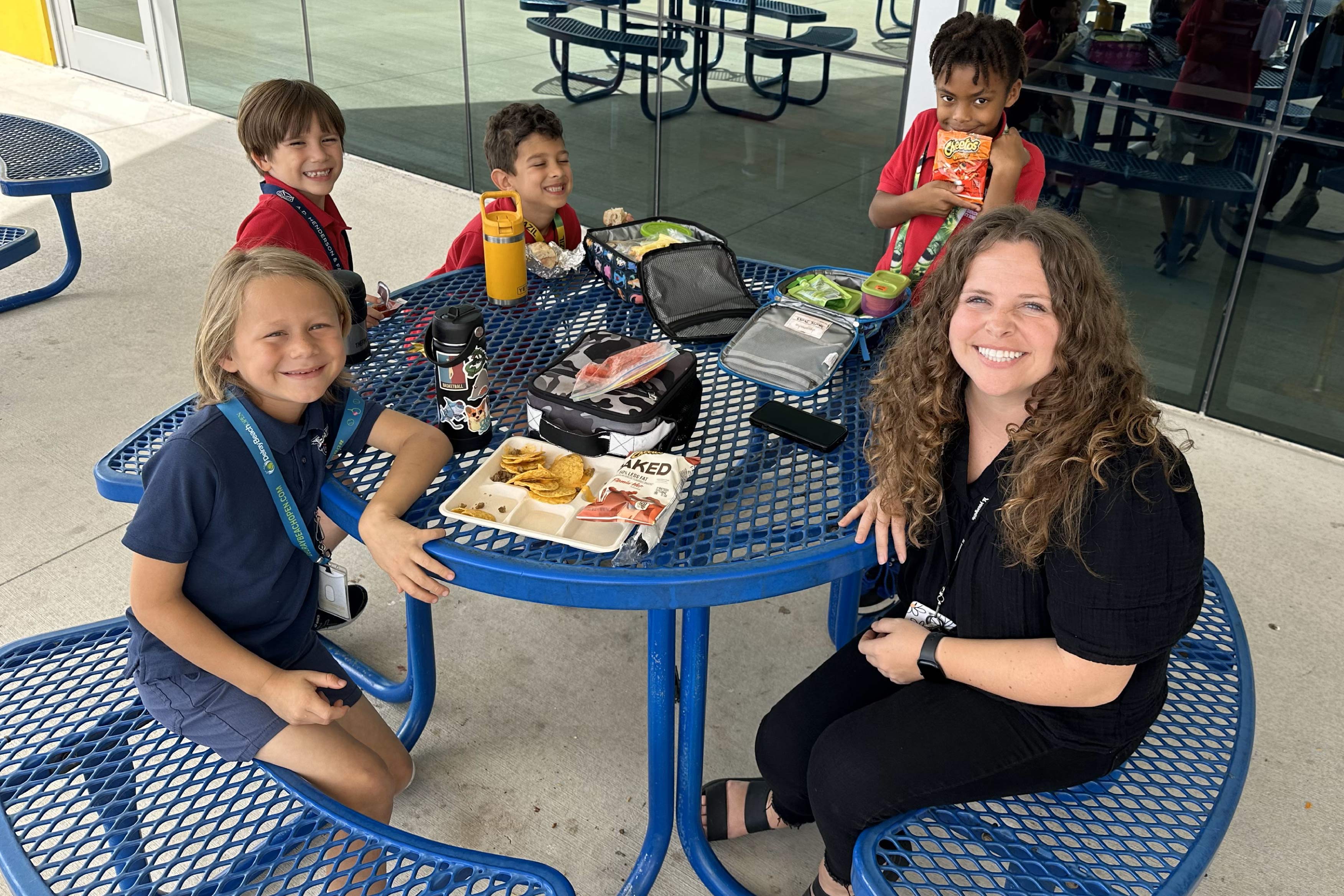
To counteract these challenges and shift towards a more proactive counseling model, the implementation of "minute meetings" – brief, individualized proactive emotional check-ins – becomes imperative.
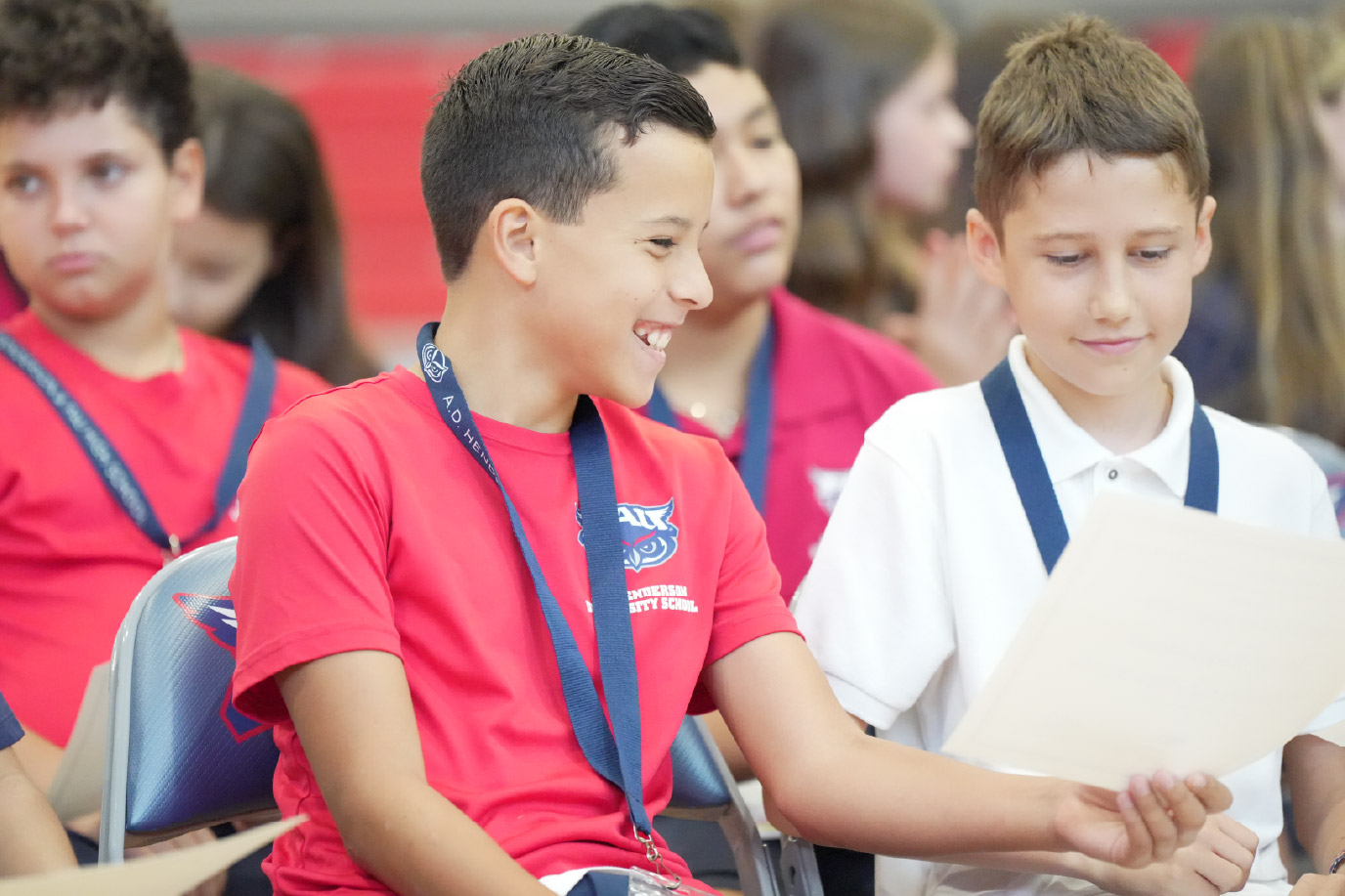
By investigating the impact of guided notes on student comprehension, engagement, and the development of independent notetaking skills, this research seeks to inform instructional practices, benefiting both teachers and students.
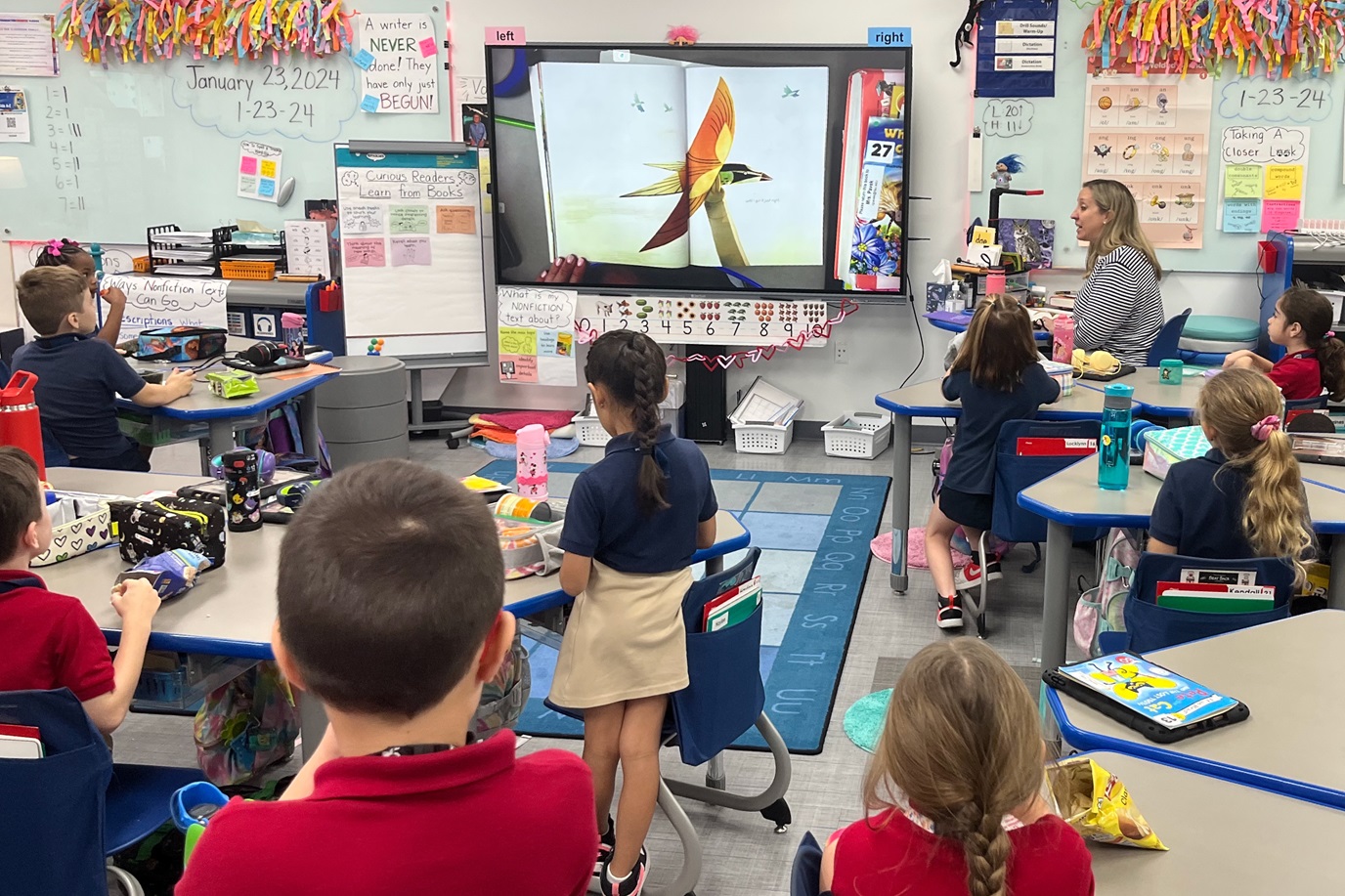
Engaging read alouds play a crucial role in literacy development and overall cognitive and social-emotional growth. According to Anderson (1985), reading aloud to students is the single most important activity for building the knowledge required for eventual success in reading.
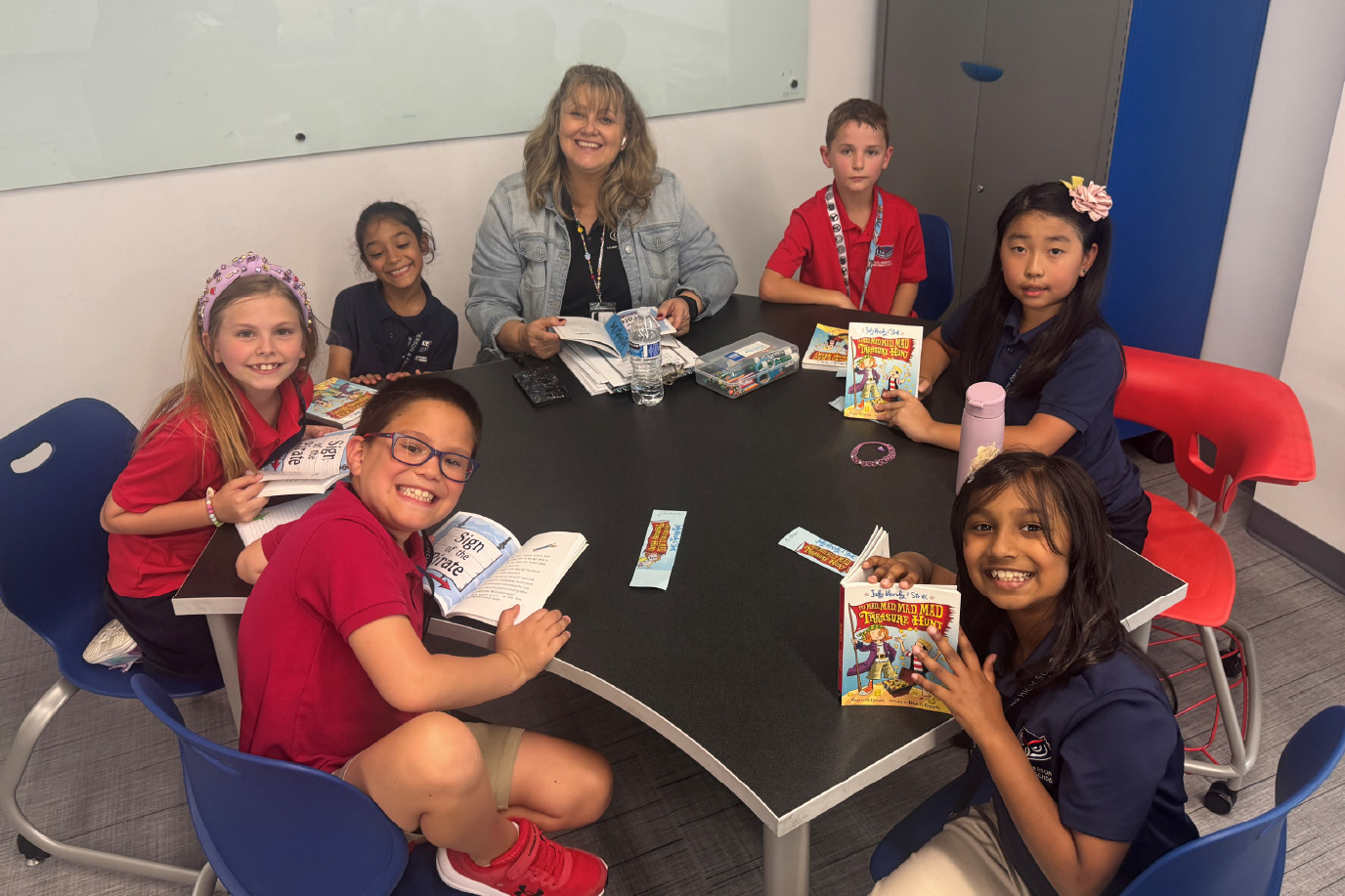
The overall goal of this study is to increase student motivation to read while investigating the components of book clubs that lead to greater motivation, and possibly stronger readers.
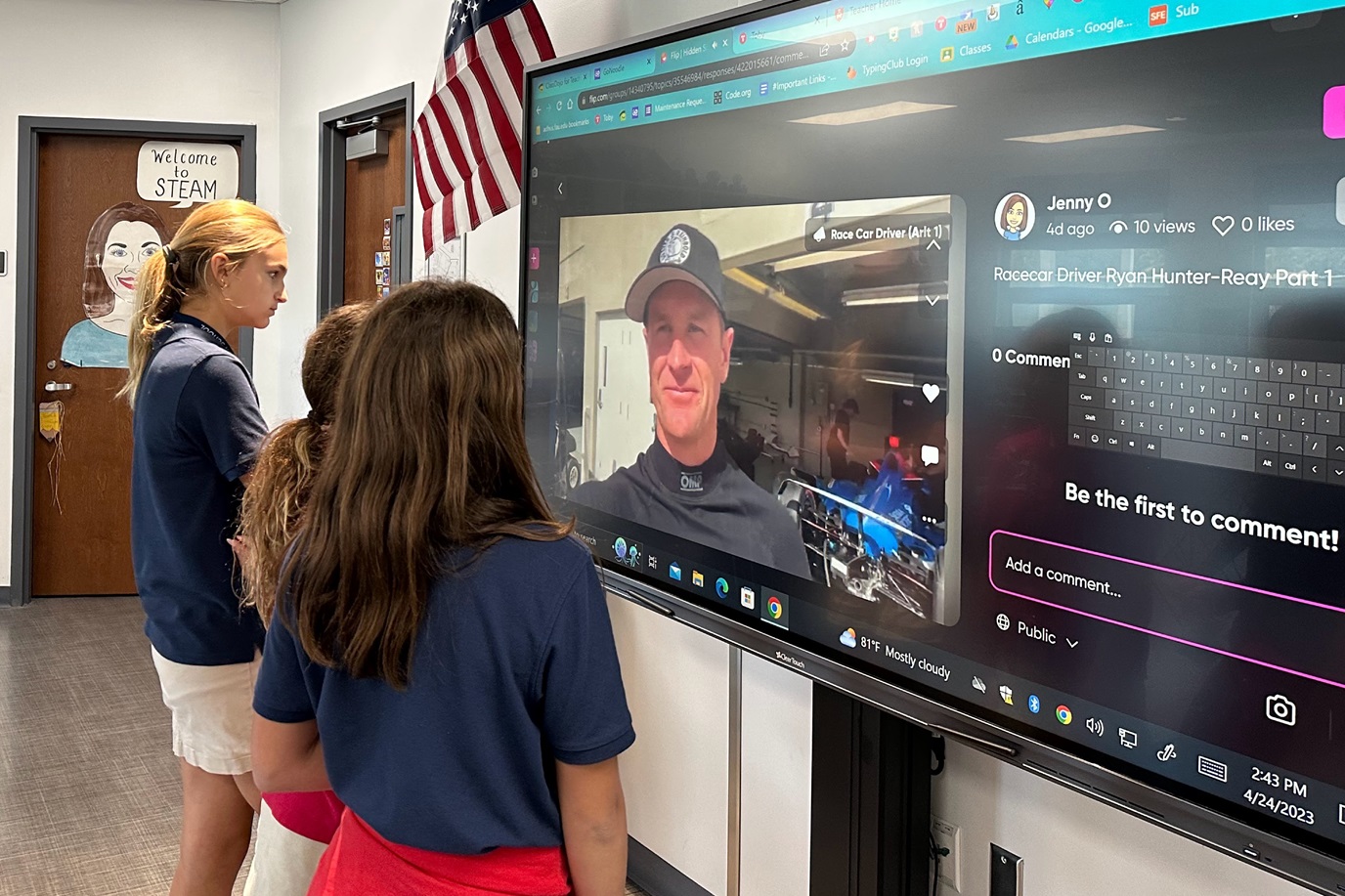
The purpose of this study is to examine the impact of focusing on “doing science” instead of “being scientists” on upper elementary students’ attitudes toward science by utilizing action-based syntax, as opposed to identity-based syntax during a career-study unit.

The purpose of the study is to determine to what extent note taking through visual or graphic with a kinesthetic integration have on students’ self-efficacy of third grade level math concepts.

Having a deep understanding of fractions beginning in grade five is crucial for future success in mathematics, specifically algebra. Recent studies show that 42% of sixth grade students fail to understand fraction concepts.